The wet collodion process was invented in 1851, by British sculptor and amateur photographer Frederick Scott Archer and preceded the modern gelatin emulsion. The process would allow images to be made on glass and multiple copies then could be made from the same plate. In 1856 the Tintype process was added, allowing Collodion images to be made on thin sheets of metal.
Wet plate collodion process, requires the photographic material to be coated, sensitized, exposed and developed within the span of about fifteen minutes, requiring a portable darkroom for use in the field. If the plate would dry out before the photographer has time to expose and develop the plate the image would no longer be visible and the plate would be completely useless. Hence the name “Wet Plate” process.
By the end of the 1850s it had almost entirely replaced the first practical photographic process, the daguerreotype.
What is Wet Collodion Process?
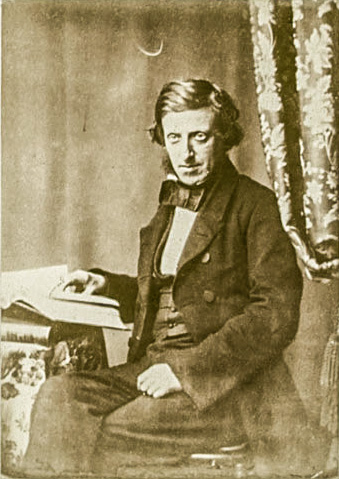
 Ambrotipescu