The first time, I got sleepy!

We’re not going to read about anything kinky in here, I’m just talking about the first time I tried making some wet collodion plates. I fell asleep!

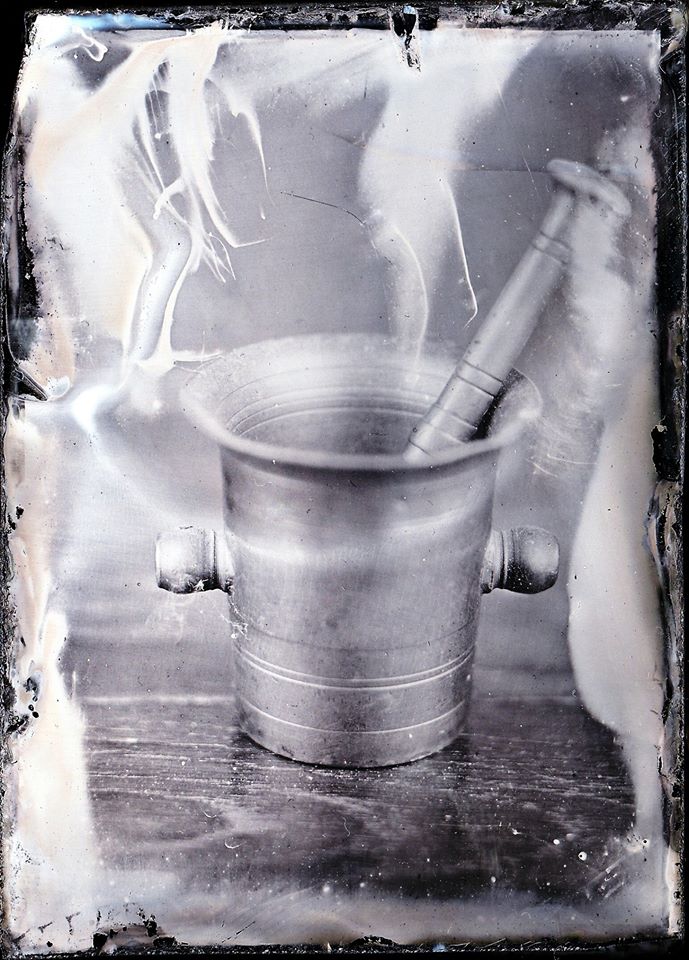
It was September 18th 2016 and I finally had everything needed for the wet collodion process and was very ready (NOT!) to make some plates. I had some small glass plates of 6×9 cm which I cut out of a window that got smashed during a storm. I really wanted to have as many “ingredients” as possible made by my own two hands. Looking around the house I found an old brass mortar and pestle to shoot, so I used that. Needless to say after a first test I got nothing good on the plate, so I said to myself: “Back to the drawing board!”. However I soon got very sleepy with a side of headache and nausea. It was all that ether and alcohol fumes that got to me, as I was dumb enough to not wear a face mask or open up a window. Dumb ass…
undefined

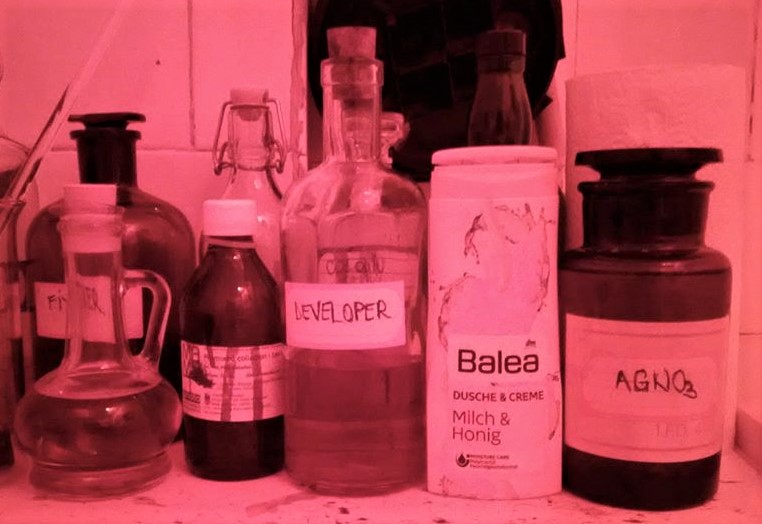
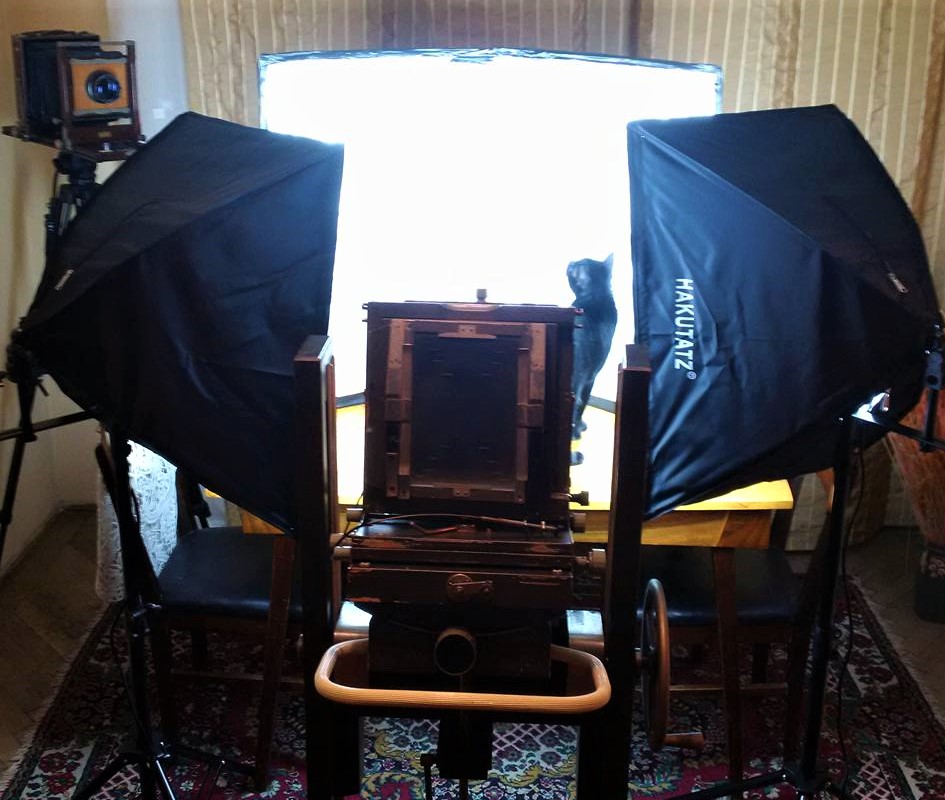
So, as you can imagine, I had to literally drop everything and crash. I only opened a window and went straight to bed. It was midday. Later that night I wanted to try again, so I got wiser and worked with a mask and opened the windows as well. It was already dark outside so no light was coming in but only fresh air which was great. I starting preparing again all the trays and all the bottles, so it didn’t take long before I was ready again… The bathroom was the darkroom so I had to make sure not to mix the bottles!
undefined

I almost forgot to mention I had an assistance as well, Oscar the cat was there to inspect everything. So, once I had his OK I started pouring my first plate.
undefined

I don’t recall any details of the first try, not sure of the exposure time or any issues but to my surprise I managed to see something coming up as I poured the developer on the plate after my first exposure. An image starting popping out under the red safe light in my darkroom. You can imagine my excitement when I realized I have just made my first glass plate, an ambrotype. A very small 6×9 cm ambrotype that was once part of my living room window! So, here it is, the first glass plate I made with the wet collodion process, 4 months after discovering this amazing vintage photographic process. In that moment I felt like my life has suddenly changed and there was no going back! It was the beginning of a beautiful trip for me that got me so many great things, plates and a lot of friends…
undefined

3 and a half years later I am more eager to do this and can’t imagine to stop doing it. If anything, I think I am also going to look into other vintage processes as well, I’d love to try them all… I hope you enjoyed my short story so far, more to come for sure, and if you’d like to check out some of the plates I made so far (around 300 out of 900 in total), please follow this link: https://www.facebook.com/Studio.Foto.Ambrotipescu/
My first camera had wheels on it!

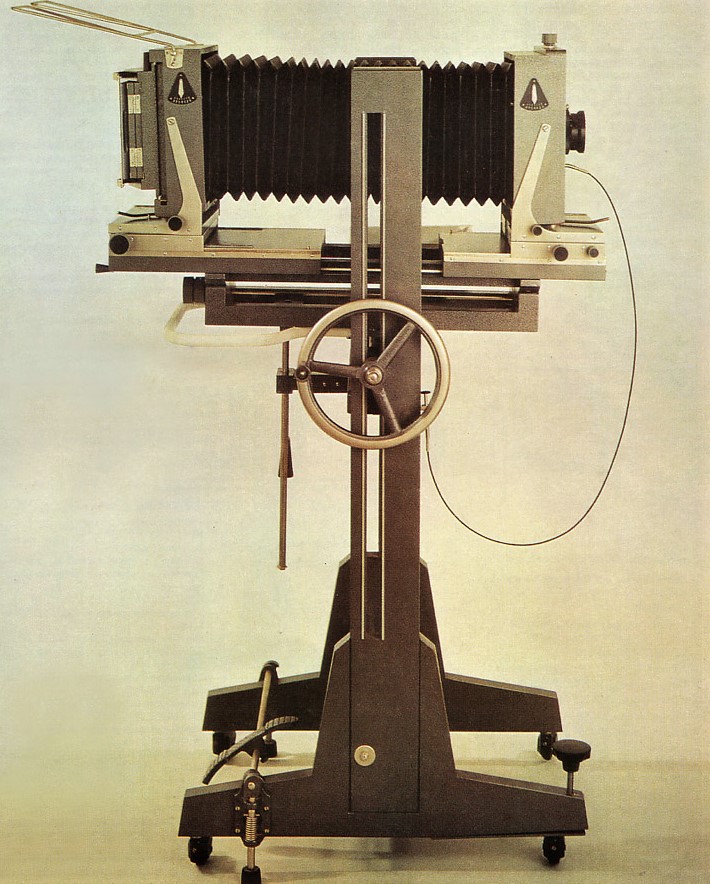
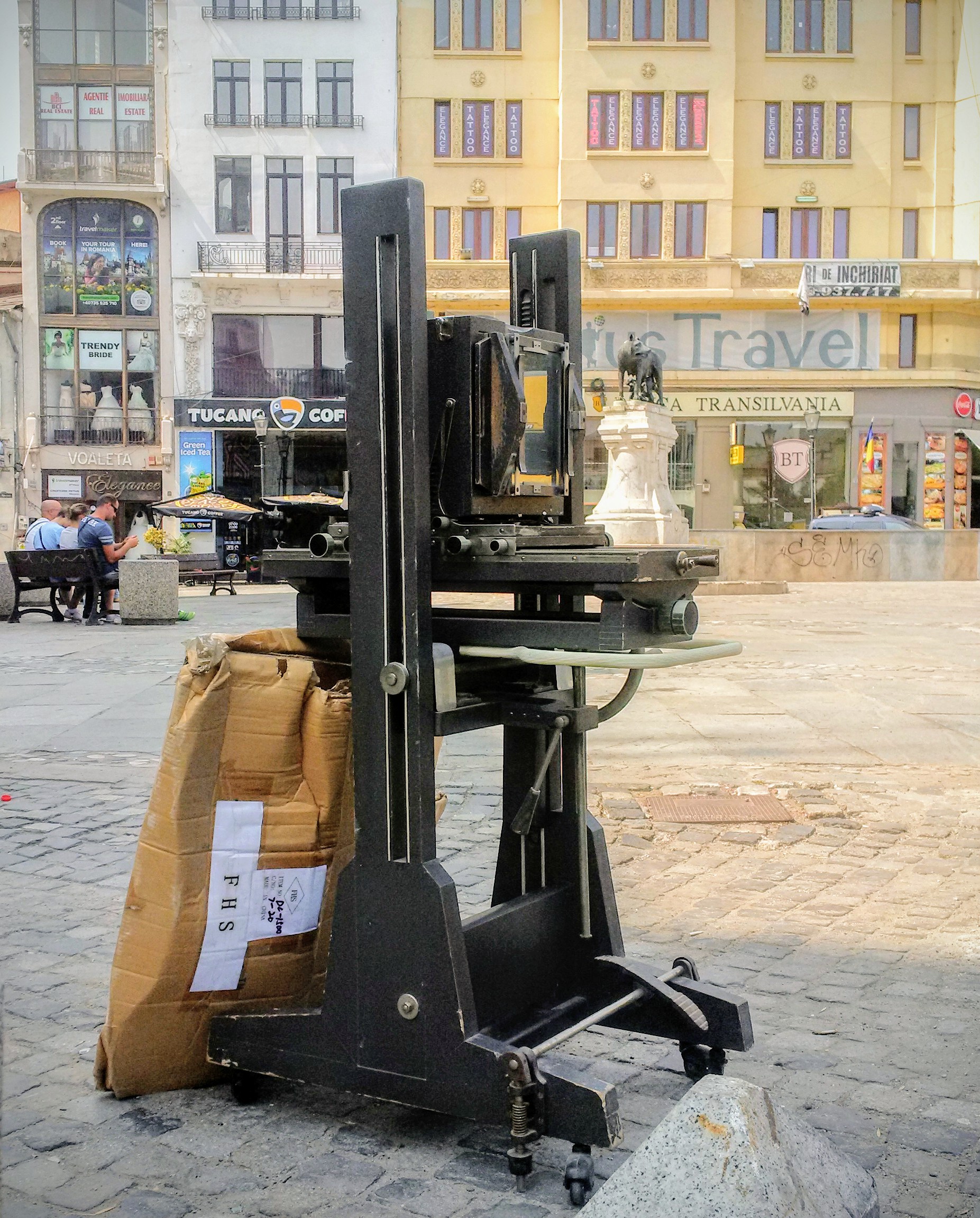
On July 30th 2016 I got my first working camera for the wet plate collodion process. I got a lead on a camera that was kept in the attic of a photo shop, somewhere in the old part of Bucharest, where time seems to have stopped a century ago. It wasn’t for sale but the owner was happy to use the opportunity to sell it to me. Good for me!

undefined

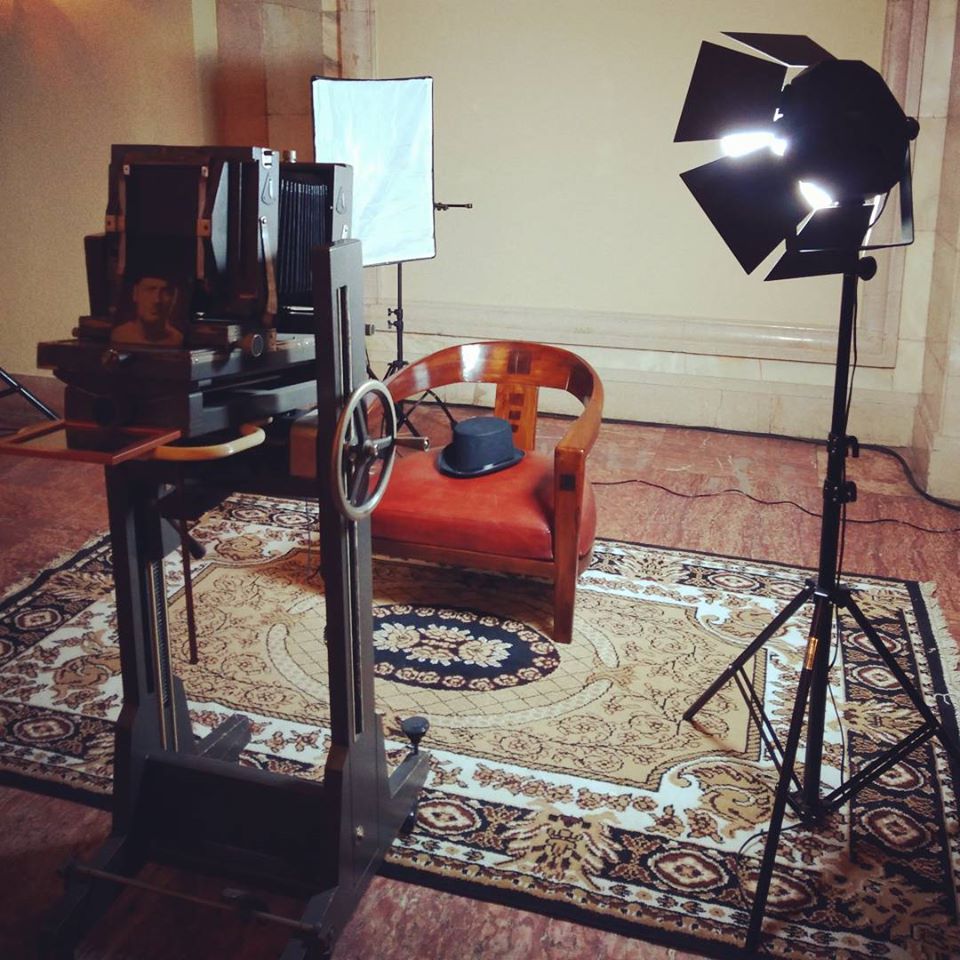
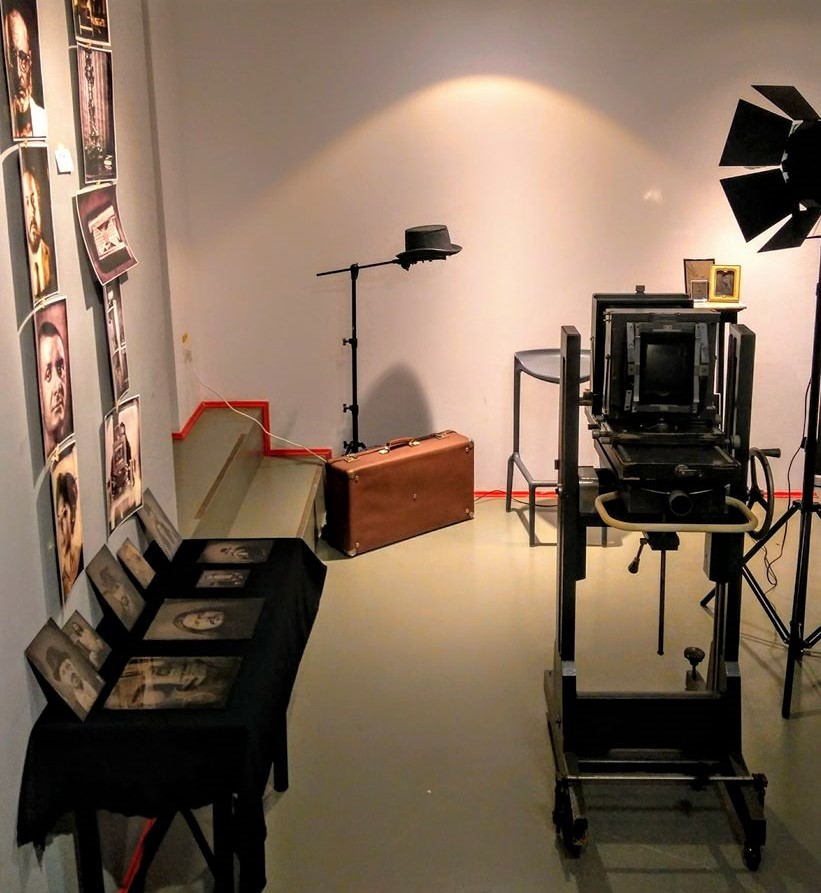
The camera was (and still is) a well kept and fully operational Globica Pentacon ll made in 1967, sold together with 2 plate holders and 3 different large format Carl Zeiss lens. Getting the camera home was not easy at all, as you can see it is quite large and with a heavy support, all sitting on 4 wheels. And since I don’t own a car I had to rent the services of a professional transport company for that. So, here I was, pushing this big ass camera on wheels around the narrow streets of old Bucharest to get to the main road where I was meeting the driver. The wheels were very small and had rust on them so pushing that was not that easy but I managed to finally get myself to the meeting point where I loaded the camera in a small pick-up track and finally went home.

undefined

This baby is still with me, and is my favorite camera to play with after almost 4 years of having it. It is very sturdy and well built, a versatile camera that I enjoy using. Unfortunately, being so big, it can’t really be used outside the studio, but I got several cameras in the meantime, most of them are smaller field cameras (mounted on a tripod) for large format photography on the go. I almost forgot to mention that the Globica can produce plates as large as 13×18 cm (5×7″).

undefined

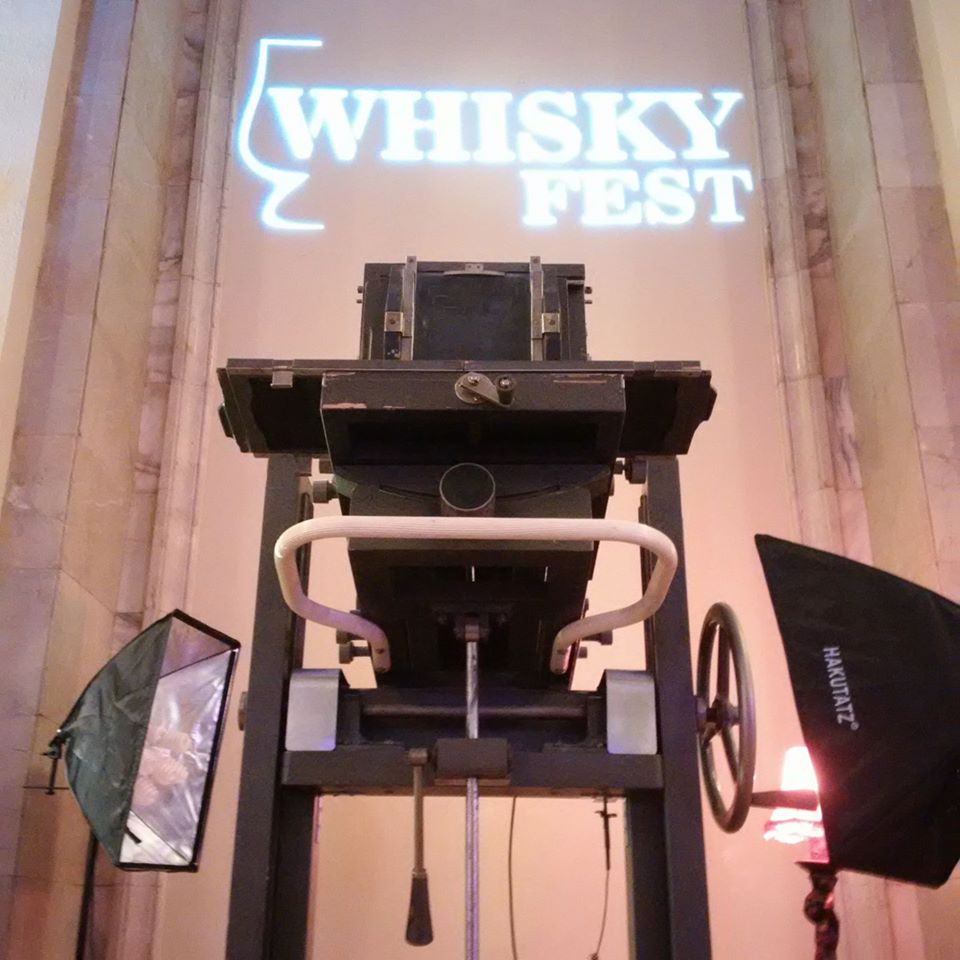
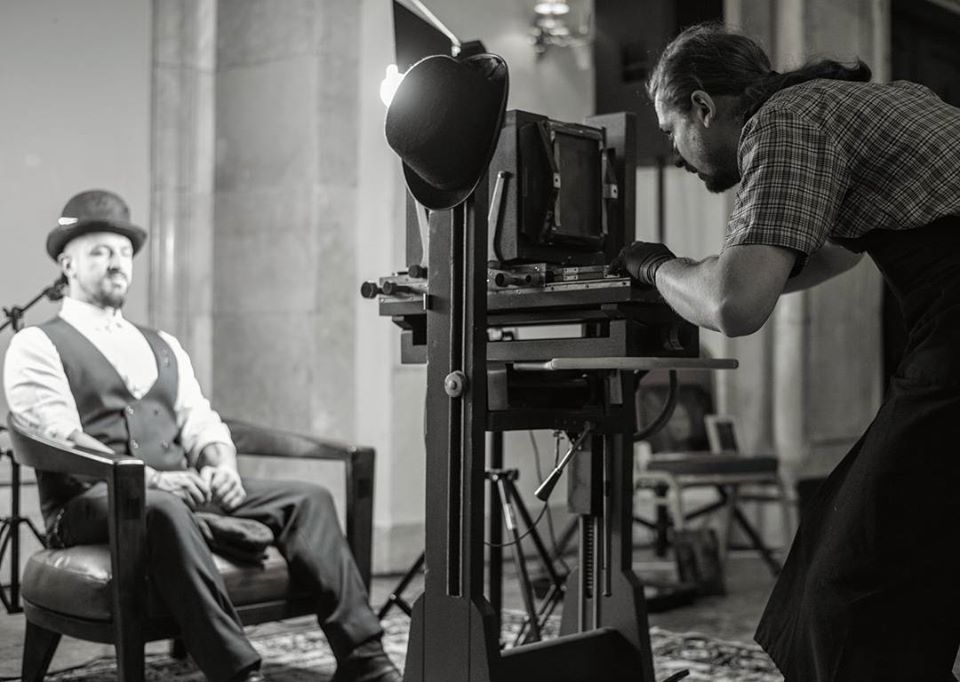
However, not long after I got the camera and started working with it, I got my first invitation to do this outside the studio at a large social event, the 2016 Whisky Fest. Needless to say I went and had a great time and also managed to make lots of nice portraits over there. The camera was a success and attracted lots of people and of course business. Those were 2 crazy days and was invited again next year!

undefined

undefined

undefined

More events and invitations came after that and also started some nice projects on my own, but will talk more on this soon. So, don’t go too far. 😉

What am I getting myself into!?

So, my first encounter with the wet collodion process was when I visited Amsterdam four years ago in spring. You can check my previous post on this story. That impressed me so much and completely mesmerized me that it became the highlight of my visit. And Amsterdam is a hell of a city! I got a business card from the photographer I made a tintype at and as soon as I got back to Bucharest I googled the process and starting writing him back with questions. Soon enough I started joining different online groups and forums around the wet collodion process and started learning by myself. There’s almost no literature on this topic in Romanian but a lot in English which was not an issue for me.

undefined

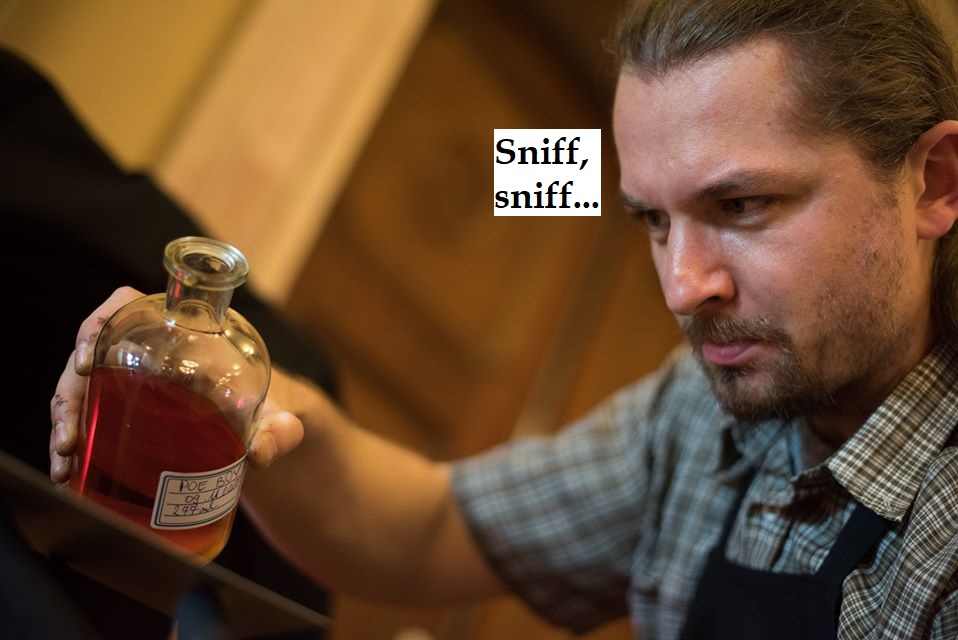
Getting the info was the easiest part as there are lots of books and lots of great wet collodion photographers all over the world and most I talked to were happy to help me or answer my questions. However when it came to getting the materials, like camera, lens, plates, and so on was a bit of a challenge and still not the hardest part of it all. The most difficult was getting access to chemicals and solutions. Oh, boy! The collodion (premixed Poe Boy) I got from Belgium, plates (aluminum for now) from Czech Republic, lens from India, silver coins (will get back on this) from Germany, camera and chemicals from Romania (finally!) and the list goes on… Glass plates were another story as I wanted to cut my own glass to use for ambrotypes but I didn’t got to buy this from a local glass maker yet. One stormy day one of the windows at my apartment got broken by the wind and decided to recycle that glass. Lucky me!

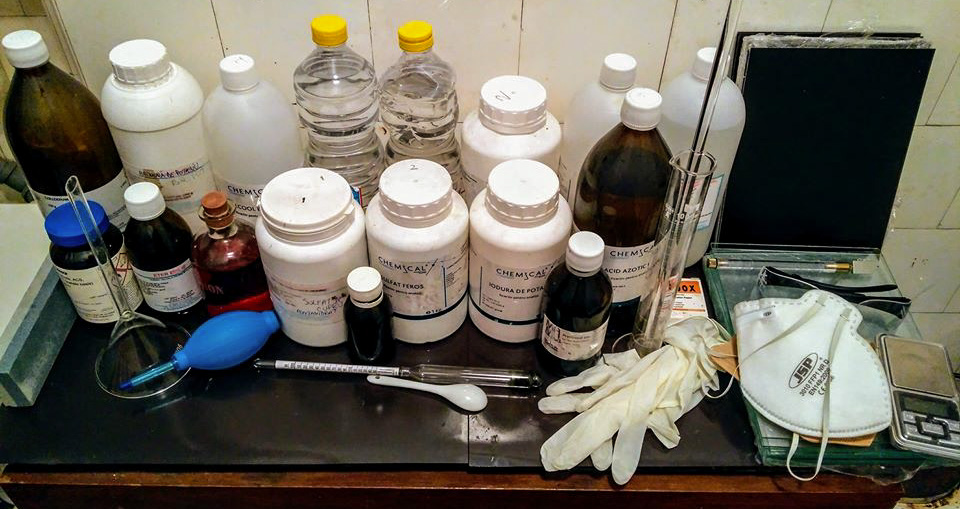
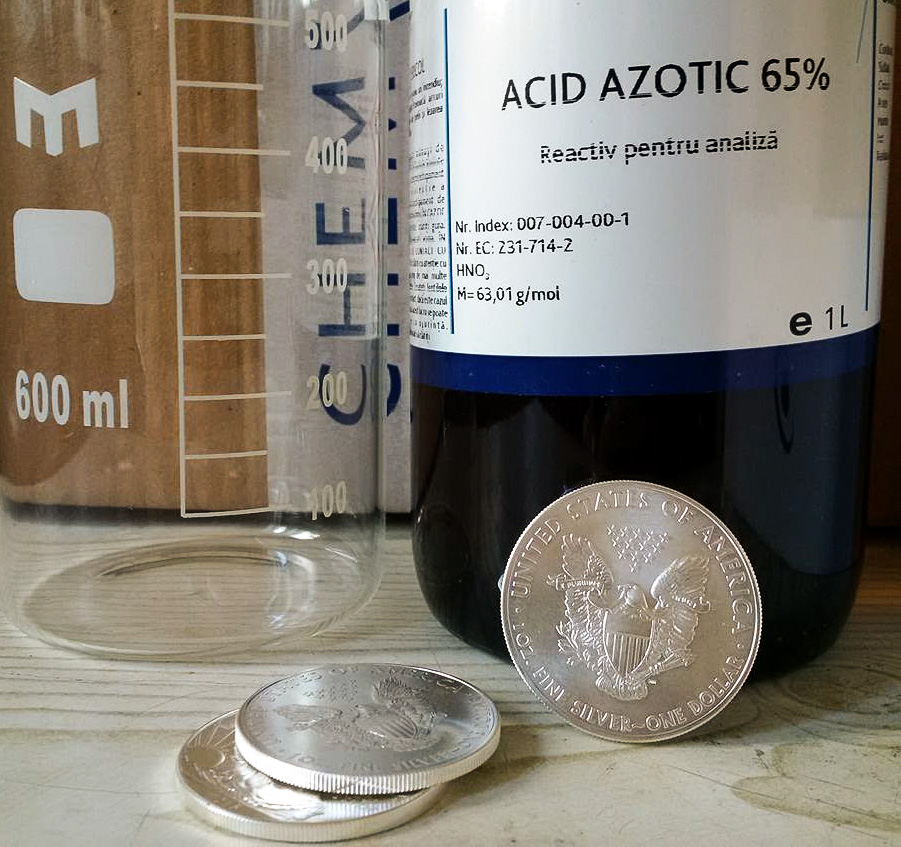
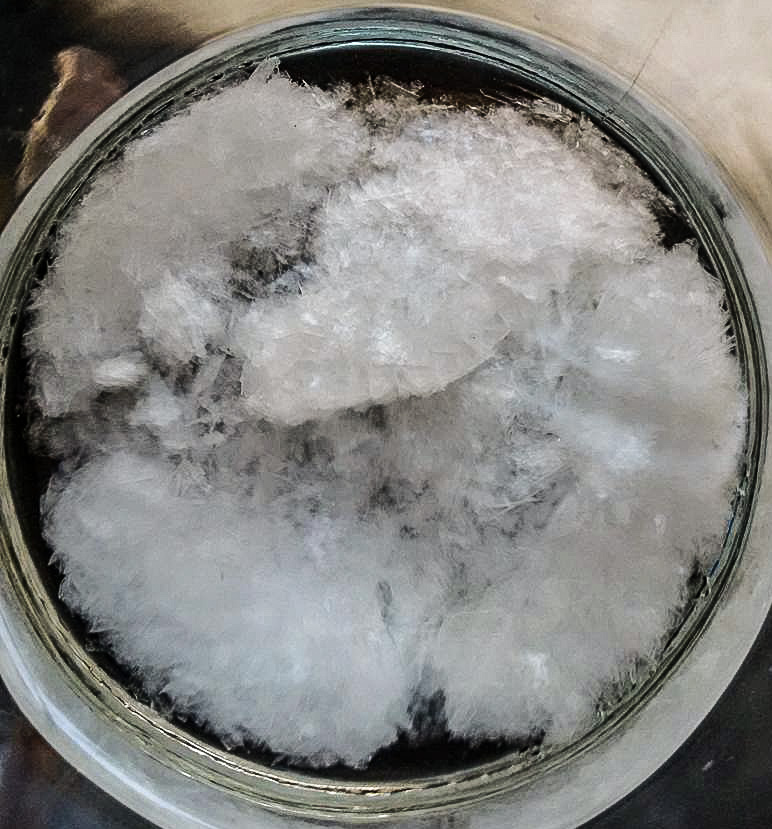
Going back to the silver I was talking about before, I didn’t just cut the glass myself, I wanted to do more on my own and instead of buying silver nitrate crystals like a normal human being I bought pure silver coins and nitric acid to dissolve the silver. Dumb ass! I only did that once and the second time got some help from a local chemicals lab that had all the gear to safely do this. I switched to buying silver nitrate crystals and not making it myself after that. You can see below here the silver before acid and after, the final result. Don’t do this at home or by yourself as the fumes from silver dissolving in nitric acid are deadly! Boy, was I dumb, and lucky!

undefined

undefined

After a while (it was autumn by now) I finally got to the point where I had all materials and chemicals needed to make images with this process. I had the premixed collodion, my own silver nitrate solution, I mixed the developer, the fixer and the varnish. I am going to do a separate post on getting my first camera, believe me it’s worth waiting and reading about it.

I had everything now and was anxious to start already. So, let’s rumble in the jungle!

The silver paved road

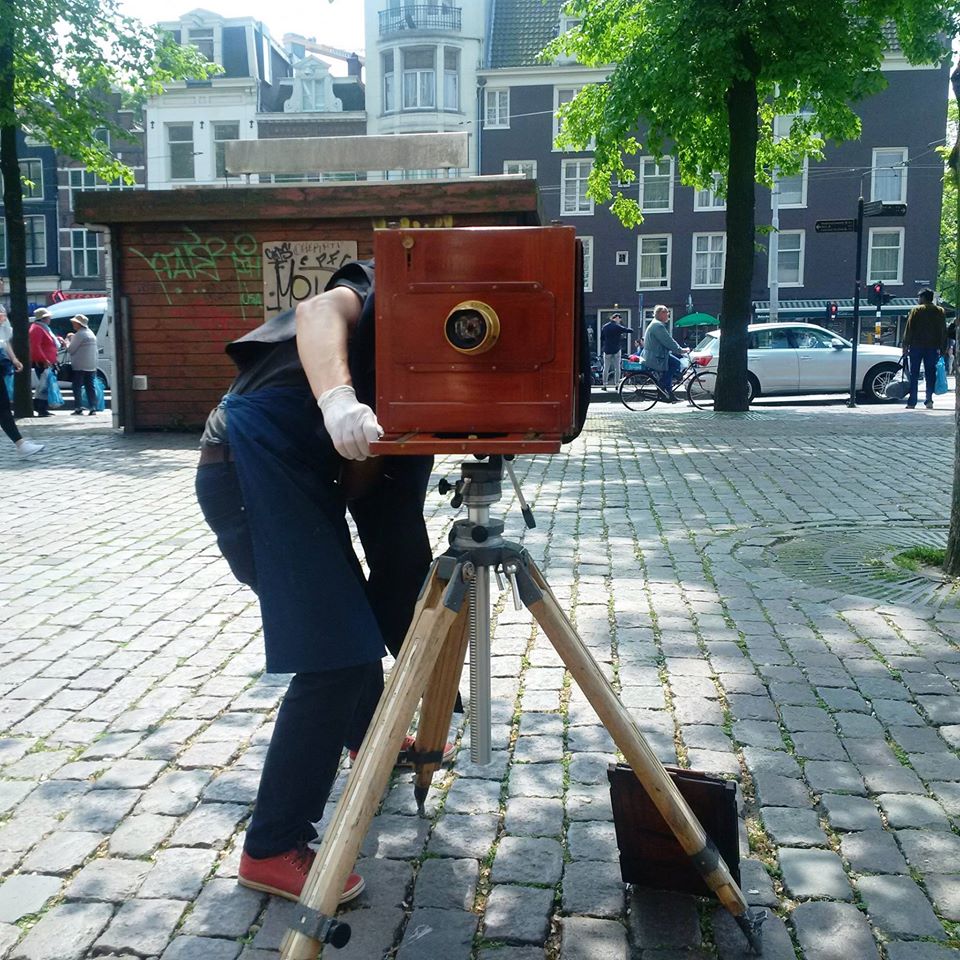
I’ve never been a fan of silver, or gold for that matter… At least not until I stumbled upon the wet collodion process 4 years ago. I was visiting Amsterdam when I noticed, in one of those small tourist plazas, a big wooden camera set on an wooden tripod. I’m a big fan of history of photography now, but back then I wasn’t familiar with this process. I just knew I had to check it out and take a picture.

undefined

Imagine my surprise to see that it was a working camera, next to the photographer making images on the spot just as they used to make around 1850s all over Europe. The photographer was Hungarian and his girlfriend was the assistance. The line was quite huge, enough to not be able to get a chance of a photo that day. Lucky enough I managed to squeeze in the next day and decided on a tintype, thinking a glass plate might not survive a plane flight. Will get more technical later, but for now, a tintype is a photograph on a thin aluminum sheet.

So, I finely got to sit in front of that big wooden camera and was asked to stay still for about 3 or 4 seconds and got me a tintype. A silver image on aluminum, souvenir from Amsterdam… The rest is history and a great story which I will detail in here, so don’t go too far.

undefined

What is Wet Collodion Process?

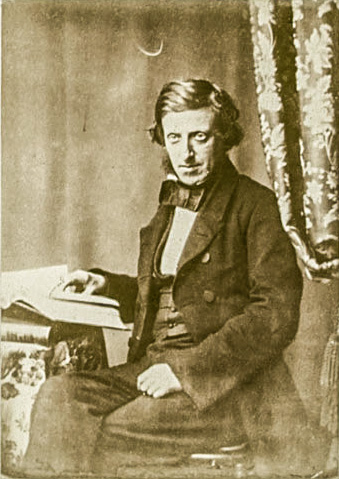
The wet collodion process was invented in 1851, by British sculptor and amateur photographer Frederick Scott Archer and preceded the modern gelatin emulsion. The process would allow images to be made on glass and multiple copies then could be made from the same plate. In 1856 the Tintype process was added, allowing Collodion images to be made on thin sheets of metal.
Wet plate collodion process, requires the photographic material to be coated, sensitized, exposed and developed within the span of about fifteen minutes, requiring a portable darkroom for use in the field. If the plate would dry out before the photographer has time to expose and develop the plate the image would no longer be visible and the plate would be completely useless. Hence the name “Wet Plate” process.
By the end of the 1850s it had almost entirely replaced the first practical photographic process, the daguerreotype.

Design a site like this with WordPress.com
Get started